

Water has a way of finding the smallest opening and turning it into a big problem. What starts as a faint musty smell or a small damp spot can quickly grow into structural damage, mold growth, and expensive repairs. Many homeowners only notice these issues when the damage has already taken hold, making prevention the smarter, more affordable path.
Taking early steps to protect your home is not complicated, but it does require awareness and consistency. Fairfax Basement waterproofing plays a key role in keeping your home safe, dry, and comfortable year-round. When you understand how water enters your home and what you can do about it, you gain control over a problem that often feels unpredictable.
This guide breaks down practical tips that help you stay ahead of moisture issues. With the right approach, you can avoid costly damage and extend the life of your home’s foundation.
Why Basement Water Problems Should Never Be Ignored
Water in the basement is more than a nuisance. It signals that your home is under pressure from surrounding soil and moisture levels that are out of balance.
Even minor water intrusion can lead to:
- Mold and mildew growth that affects indoor air quality
- Weakening of foundation walls over time
- Damage to flooring, drywall, and stored items
Left untreated, these issues can spread quietly behind walls and under surfaces. Addressing them early keeps repairs manageable and protects your investment.
Common Causes of Basement Moisture
Understanding the source of the problem helps you choose the right solution. Basement water issues rarely come from a single cause.
Here are the most common contributors:
- Poor drainage around the home that allows water to collect near the foundation
- Cracks in foundation walls or floors that let water seep in
- Hydrostatic pressure pushes moisture through porous concrete
- Faulty or clogged gutters and downspouts
Each of these problems creates a pathway for water to enter. Identifying which ones apply to your home is the first step toward effective basement waterproofing.
Tip 1: Improve Exterior Drainage
Think of your home as a ship. If water pools around it, pressure builds and finds a way inside. The goal is to guide water away before it becomes a problem.
Start with these simple improvements:
- Extend downspouts so water flows several feet away from the foundation
- Keep gutters clean and free of debris
- Grade the soil so it slopes away from your home
These adjustments may seem small, but they can make a major difference in reducing moisture buildup.
Tip 2: Seal Foundation Cracks Early
Cracks in your foundation act like open doors for water. Even hairline cracks can allow moisture to pass through over time.
Regular inspections help you catch these issues before they grow. Look for:
- Horizontal or vertical cracks in walls
- Damp spots or discoloration
- Efflorescence, which appears as a white powdery residue
Sealing cracks with appropriate materials prevents further intrusion and supports long-term basement waterproofing efforts.
Tip 3: Install a Sump Pump System
A sump pump acts like a safety net during heavy rain or rising groundwater levels. It collects water from beneath your basement floor and pumps it away from your home.
Key benefits include:
- Reduced risk of flooding during storms
- Lower moisture levels in the basement
- Added protection for finished basements and storage areas
For best results, consider adding a backup power source so the system continues to work during outages.
Tip 4: Use Interior Waterproofing Solutions
While exterior fixes are important, interior systems provide an extra layer of protection. These solutions manage water that has already entered.
Popular options include:
- Interior drainage systems that channel water to a sump pump
- Vapor barriers that reduce humidity and moisture buildup
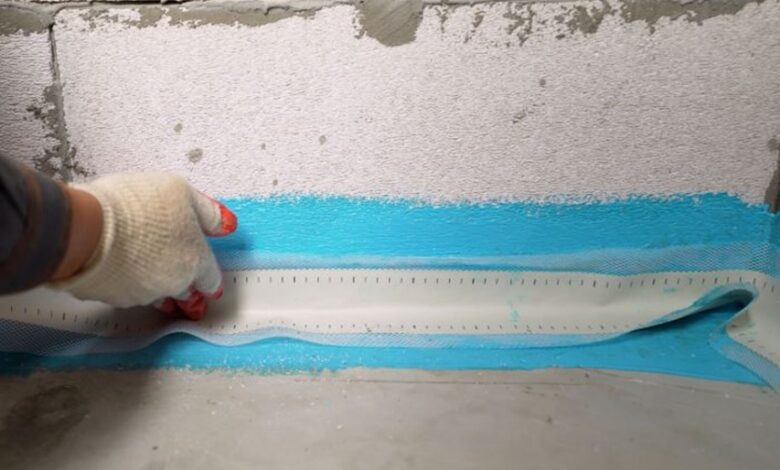
- Waterproof coatings applied to walls and floors
Together, these methods create a controlled environment that keeps your basement dry and usable.
Tip 5: Control Indoor Humidity Levels
Moisture does not always come from outside. Everyday activities like laundry, cooking, and even breathing add humidity to your home.
High humidity levels can lead to condensation and damp conditions in the basement. To manage this:
- Use a dehumidifier to maintain balanced moisture levels
- Keep air circulating with fans or ventilation systems
- Monitor humidity levels with a simple gauge
A dry basement environment discourages mold growth and keeps your space comfortable.
Signs You May Need Professional Help
Some problems go beyond basic fixes and require expert evaluation. Knowing when to call in professionals can save time and prevent further damage.
Watch for these warning signs:
- Persistent water pooling despite drainage improvements
- Large or widening foundation cracks
- Strong mold odors that do not go away
- Repeated sump pump failures or flooding
If you notice any of these, it is wise to seek guidance from experienced specialists.
Learn More About Moisture and Home Protection
For additional guidance on managing moisture and improving indoor air quality, you can explore resources from the Environmental Protection Agency.
This resource provides helpful insights into how moisture affects homes and what steps you can take to reduce risks.
Long-Term Benefits of Basement Waterproofing
Investing time and effort into prevention pays off in more ways than one. Basement waterproofing protects your home’s structure while also improving daily living conditions.
Some long-term advantages include:
- Increased property value and buyer confidence
- Reduced maintenance and repair costs over time
- A healthier indoor environment for you and your family
When your basement stays dry, the rest of your home benefits as well.
Conclusion
Water damage does not happen overnight, but it builds over time when small issues go unnoticed. By improving drainage, sealing cracks, managing humidity, and using the right systems, you can protect your home from unnecessary stress and expense.
Staying proactive is the key. A few smart decisions today can prevent major repairs tomorrow and give you peace of mind during every season.
If you want expert support and reliable solutions, reach out to Fairfax Basement Waterproofing. Their team delivers proven strategies that keep your home dry, stable, and protected for the long run.


