

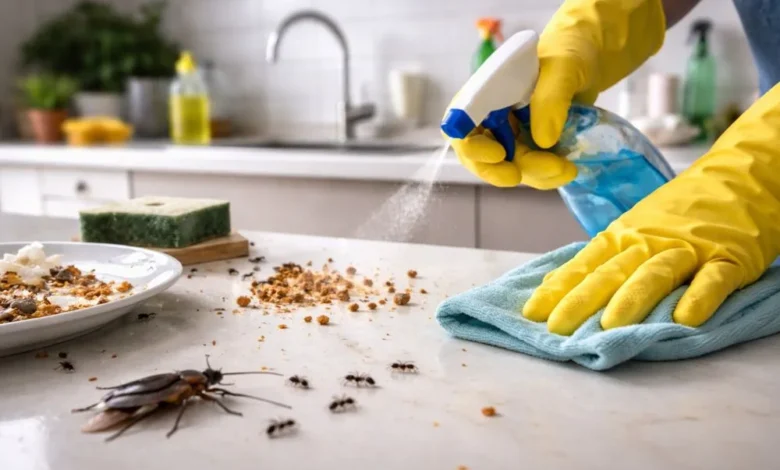
A clean home is more than just pleasant to live in—it is also one of the strongest defenses against unwanted pests. While cleaning alone cannot guarantee that pests will never enter a home, it greatly reduces the conditions that attract them. Food crumbs, spills, clutter, and neglected corners provide insects and rodents with everything they need to survive. Making regular cleaning part of a household routine is an essential step toward successful pest control.
Many pests enter homes in search of food and shelter. Kitchens, dining rooms, and storage areas naturally contain these resources, making them the first places homeowners should focus on. Even small amounts of leftover food can attract pests if cleaning is delayed. Consistent housekeeping removes these food sources before pests have the opportunity to find them.
The kitchen should be cleaned every day. Countertops, stovetops, dining tables, and sinks often collect food residue during meal preparation. Wiping these surfaces after cooking helps prevent insects from being attracted to leftover crumbs or spills. Sweeping or vacuuming the kitchen floor also removes food particles that may have fallen during meals.
Washing dishes promptly is another important habit. Dirty dishes left in the sink overnight provide both food and moisture for pests. Cleaning dishes soon after eating keeps the kitchen tidy while reducing one of the most common attractions for insects.
Food storage should always accompany regular cleaning. Open packages of cereal, rice, flour, sugar, and snacks make it easier for pests to reach stored food. Transferring dry goods into airtight containers protects food while supporting overall pest control.
Simple cleaning habits that improve pest control include:
- Wipe kitchen counters and dining tables after every meal.
- Vacuum or sweep floors regularly to remove crumbs and dust.
- Empty household garbage before it becomes full.
Living rooms should also be included in the cleaning routine. Many families enjoy snacks while watching television or relaxing, which can leave crumbs beneath sofas or chairs. Vacuuming carpets, cleaning upholstery, and moving furniture occasionally help remove hidden food particles that may attract pests.
Bedrooms may seem less likely to experience pest problems, but they should not be ignored. Dust, clutter, and stored belongings can create hiding places for insects. Regular vacuuming, dusting, and organizing closets help maintain a cleaner environment throughout the home.
Bathrooms require careful attention because they combine moisture with warmth. Wiping sinks, cleaning floors, and keeping drains clear reduce favorable conditions for pests. Homeowners should also repair plumbing leaks promptly to prevent excess moisture from attracting insects.
Garages, basements, and storage rooms are often overlooked during routine cleaning. These areas tend to collect dust, cardboard boxes, and unused household items that provide shelter for pests. Organizing storage spaces and removing unnecessary clutter make these areas easier to inspect and maintain.
Garbage management is another important part of regular cleaning. Kitchen trash should be emptied frequently, and outdoor garbage bins should remain tightly closed. Cleaning trash containers occasionally removes food residue that could attract pests even after the garbage has been removed.
Routine cleaning should also include checking behind appliances and underneath furniture. Refrigerators, stoves, washing machines, and large cabinets often collect crumbs and dust in hidden areas. Cleaning these spaces every few weeks helps eliminate food sources that might otherwise go unnoticed.
Outdoor cleaning contributes to indoor pest control as well. Sweeping patios, removing fallen leaves, cleaning gutters, and trimming plants around the home reduce places where pests can hide before attempting to enter the house.
Regular inspections should become part of every cleaning routine. Looking under sinks, around windows, inside cabinets, and near pantry shelves allows homeowners to identify early signs of pest activity. Droppings, damaged food packages, or unusual odors should be addressed immediately before the problem becomes more serious.
Professional pest control services can work alongside a consistent cleaning routine to provide additional protection. While experts can identify hidden pest problems, daily housekeeping remains one of the most effective preventive measures homeowners can take.
In conclusion, regular cleaning is the foundation of successful pest control. Clean kitchens, organized storage areas, proper food handling, moisture control, and routine inspections all work together to reduce the conditions that attract pests. By making cleaning a daily habit, homeowners create a healthier, safer, and more comfortable home while greatly lowering the risk of unwanted pest infestations.

