

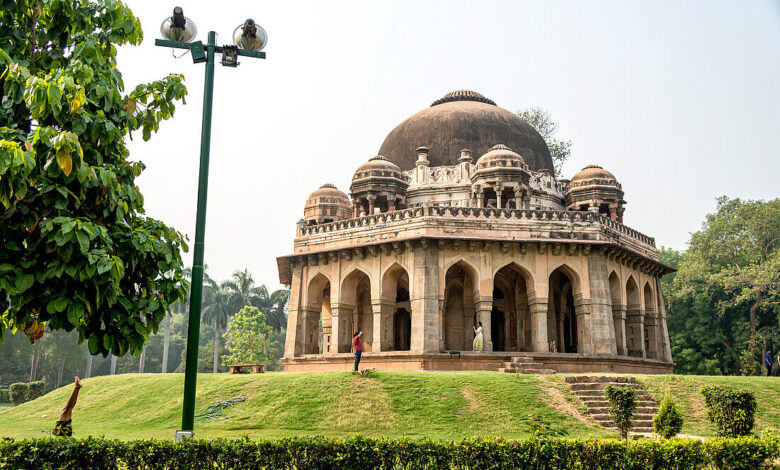
Traditional Indian architecture represents more than construction techniques and spatial arrangements. It reflects centuries of social values, climatic wisdom, artistic expression, and community lifestyles. Across regions, architectural forms evolved in response to geography, materials, religion, and cultural practices, making them powerful carriers of cultural identity.
In a rapidly modernizing built environment, preserving traditional architecture has become essential for maintaining continuity between past and present. These structures embody local knowledge systems and reinforce collective memory within communities.
Understanding Traditional Indian Architecture
Traditional Indian architecture developed through a close relationship between environment, materials, and cultural traditions. Each region produced distinctive building styles suited to its climate and social structure.
Key characteristics include
- Climate responsive spatial planning
- Use of locally available materials
- Integration of courtyards and open spaces
- Ornamentation reflecting regional identity
- Symbolic alignment with religious beliefs
- Community oriented settlement patterns
These elements created buildings that were functional, sustainable, and culturally meaningful.
Architecture as a Reflection of Cultural Identity
Architecture acts as a visual language through which communities express their beliefs and values. Traditional Indian buildings communicate identity through layout, decorative motifs, materials, and spatial hierarchy.
Examples include
- Courtyard houses supporting joint family living
- Temple architecture expressing spiritual cosmology
- Stepwells serving social and ritual functions
- Havelis representing regional craftsmanship and trade prosperity
Such structures preserve stories of social organization and cultural evolution across generations.
Regional Diversity in Traditional Indian Architecture
India’s geographical diversity led to varied architectural responses across different regions. Each region adapted its building style according to climate, available materials, and cultural traditions.
Architecture of Rajasthan
In desert regions such as Rajasthan, buildings were designed to withstand extreme heat and sandstorms.
Common features include
- Thick sandstone walls for thermal insulation
- Small openings to reduce heat gain
- Internal courtyards for ventilation
- Jharokhas and carved façades for shading and aesthetics
These strategies created comfortable indoor environments while expressing regional craftsmanship.
Architecture of Kerala
Kerala’s architecture reflects responses to heavy rainfall and humid conditions.
Distinctive elements include
- Sloping tiled roofs for rain protection
- Timber framed construction
- Raised plinth levels
- Central courtyards for ventilation
These features ensured durability and environmental comfort.
Architecture of Himalayan Regions
Mountain architecture developed according to cold climates and seismic conditions.
Typical characteristics include
- Stone masonry construction
- Timber reinforcement systems
- Compact layouts to retain warmth
- Sloped roofs for snow protection
Such strategies demonstrate deep environmental adaptation.
Role of Local Materials in Cultural Continuity
Traditional architecture relied heavily on locally sourced materials. These materials shaped both the appearance and performance of buildings.
Examples include
- Sandstone in western India
- Laterite stone in coastal regions
- Timber in forested zones
- Mud and lime plaster in rural settlements
Using local materials supported regional identity while reducing transportation and construction costs.
Social Structure and Spatial Organization
Traditional Indian houses were designed to support social interaction and shared living patterns. Spatial arrangements reflected family hierarchy, privacy needs, and community engagement.
Important spatial features included
- Central courtyards as gathering spaces
- Verandahs for semi outdoor interaction
- Separate zones for guests and family members
- Transitional spaces between public and private areas
These spatial relationships strengthened community bonds and cultural practices.
Religious and Symbolic Influences in Architecture
Religion played a major role in shaping traditional Indian architecture. Many structures followed sacred geometries and directional principles aligned with cosmological beliefs.
Architectural symbolism can be seen in
- Temple layouts based on sacred diagrams
- Orientation aligned with cardinal directions
- Decorative carvings representing mythological narratives
- Ritual spaces integrated within homes
Such features preserved spiritual traditions through built form.
Climatic Intelligence in Traditional Design
Traditional Indian architecture demonstrates strong environmental sensitivity. Builders carefully studied sun movement, wind direction, rainfall patterns, and seasonal variations before designing structures.
Climate responsive features included
- Courtyards enhancing airflow
- Thick walls improving thermal comfort
- Shaded openings reducing heat gain
- Sloped roofs managing rainfall
- Elevated plinths preventing water damage
These techniques ensured comfort without mechanical systems.
Threats to Traditional Architectural Heritage
Despite its significance, traditional architecture faces several challenges in contemporary cities and towns.
Major threats include
- Rapid urbanization
- Replacement with uniform construction styles
- Loss of traditional craftsmanship
- Declining use of local materials
- Limited awareness about heritage value
Without preservation efforts, many culturally important structures risk disappearance.
Role of Conservation in Cultural Identity Preservation
Preserving traditional architecture helps maintain historical continuity and strengthens regional identity. Conservation supports both cultural education and sustainable development.
Effective conservation strategies include
- Documentation of historic structures
- Adaptive reuse of heritage buildings
- Promotion of traditional construction skills
- Community participation in preservation initiatives
- Integration of heritage sensitive planning policies
Such measures ensure that architectural heritage remains relevant in contemporary contexts.
Integrating Traditional Knowledge into Modern Design
Modern architecture can benefit significantly from traditional Indian building principles. Combining traditional wisdom with contemporary technology improves sustainability and cultural relevance.
Possible approaches include
- Reintroducing courtyard planning
- Using climate responsive materials
- Adapting passive cooling techniques
- Incorporating regional aesthetics in modern buildings
- Supporting local craftsmanship in construction projects
This integration allows cities to grow without losing cultural identity.
Economic and Tourism Benefits of Heritage Architecture
Traditional architecture also contributes to local economies through heritage tourism and cultural industries. Preserved historic neighborhoods attract visitors and support artisan communities.
Economic advantages include
- Increased tourism activity
- Employment opportunities for craftsmen
- Revitalization of historic settlements
- Promotion of regional art forms
- Strengthening of cultural branding for cities
These benefits encourage investment in conservation efforts.
Conclusion
Traditional Indian architecture plays a vital role in preserving cultural identity by reflecting regional knowledge systems, environmental adaptation, spiritual traditions, and social values. Protecting these architectural forms supports continuity between generations while offering sustainable lessons for future development. Integrating traditional design principles into contemporary practice can help create cities that remain culturally rooted and environmentally responsive.
Frequently Asked Questions
How does traditional Indian architecture differ from colonial architecture in India
Traditional Indian architecture evolved from local climate conditions, cultural traditions, and indigenous materials, while colonial architecture introduced foreign styles, construction methods, and spatial arrangements influenced by European planning principles.
Why are courtyards important in traditional Indian houses
Courtyards functioned as social gathering spaces, improved ventilation, enhanced daylight access, and helped regulate indoor temperatures naturally.
What role do artisans play in preserving traditional architecture
Artisans maintain traditional construction skills such as stone carving, woodwork, lime plastering, and decorative detailing that are essential for restoring and sustaining heritage structures.
Can traditional architectural techniques support sustainable urban development today
Yes. Many traditional techniques such as passive cooling, use of local materials, and climate sensitive layouts are highly relevant for improving sustainability in modern cities.
How does settlement planning reflect cultural identity in traditional India
Settlement layouts often reflected caste organization, occupational clustering, religious orientation, and community interaction patterns that shaped everyday life.
What challenges exist in documenting traditional architectural heritage
Challenges include lack of funding, limited technical expertise, absence of archival records, and rapid transformation of historic neighborhoods.
How can educational institutions support preservation of traditional architecture
Educational institutions can promote documentation projects, research programs, skill training workshops, and community engagement initiatives focused on heritage conservation.


