

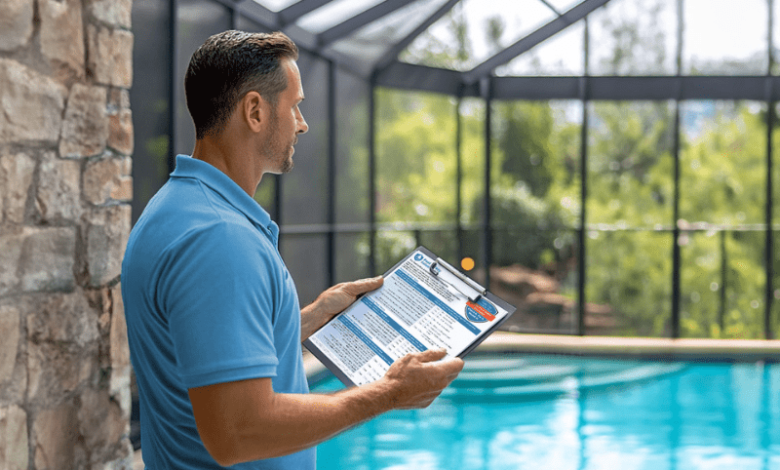
If you own a swimming pool in Sydney, a pool compliance inspection is part of keeping your property safe and legal. These checks confirm that your pool barrier meets the standards set out in New South Wales legislation. Knowing what happens during the process helps you prepare and avoid surprises.
Pool compliance in NSW centres on the safety of the barrier surrounding your pool or spa. Inspectors follow the requirements of the Swimming Pools Act 1992 and the relevant Australian Standard. The goal is simple: reduce the risk of young children accessing the water unsupervised. Every pool capable of holding more than 300mm of water must comply.
A pool compliance inspection can be carried out by your local council or an accredited private certifier. You book the inspection, and the assessor visits your property to review the barrier and its surrounds. Once complete, you receive either a certificate of compliance or a notice outlining what needs fixing.
What the Inspector Checks
The inspector focuses on the physical barrier and the area around it. Expect them to measure and test several elements:
- Fence height. The barrier must be at least 1.2 metres high, measured from the finished ground level.
- Gaps below the fence. The space between the ground and the bottom of the barrier cannot exceed 100mm.
- Vertical gaps. Openings in the fence itself must be less than 100mm wide.
- Gates. Gates must be self-closing and self-latching, and they must swing away from the pool area.
- Latch height. The release mechanism on the gate must sit at least 1.5 metres above the ground.
- Non-climbable zone. A 900mm clear space must exist on the outside of the barrier, free of anything a child could use to climb over.
The assessor also looks at nearby objects such as pot plants, furniture, trees and BBQs that could act as a foothold.
Documents and Signage
You need a current CPR sign displayed near the pool. The sign must be legible and in good condition. The inspector will confirm it reflects the latest resuscitation guidelines. Keep any previous compliance records handy, as they can speed up the visit.
After the Inspection
If your pool passes, you receive a certificate of compliance valid for three years. This document is required when you sell or lease the property. If the pool does not meet the standard, you get a report listing each issue. You then have a set period, usually six weeks, to make repairs and arrange a reinspection.
How to Prepare
Give yourself the best chance of passing on the first visit. Walk around the barrier before the appointment and check gate function, latch height and any climbable items. Clear the non-climbable zone and test that the gate closes firmly from every open position.
A little preparation saves time and cost. Understanding the standards means you can address problems early, keep your pool safe and meet your obligations as a Sydney pool owner.