

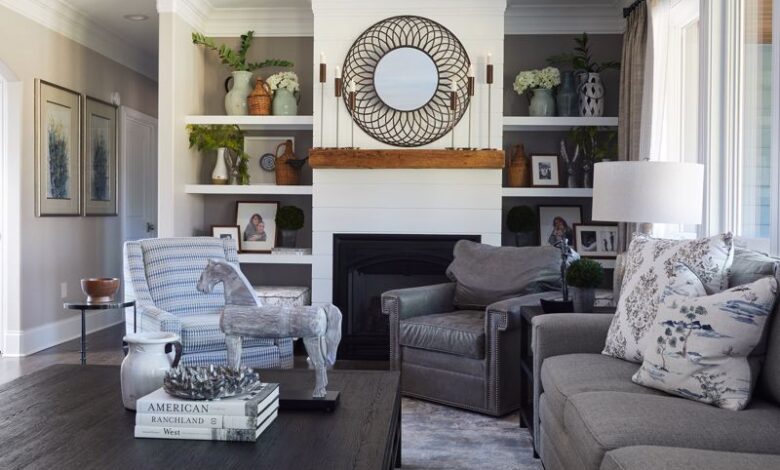
Accent pieces play a defining role in shaping the personality of a room. While foundational furniture establishes structure, carefully selected accents introduce contrast, texture, and visual interest. The right decorative elements help balance proportions, highlight focal areas, and bring cohesion to modern interiors without overwhelming the space.
Below are practical accent piece ideas that elevate room aesthetics while maintaining harmony and functionality.
Statement Rugs That Anchor the Space
A statement rug creates visual grounding and defines zones within a room. It also introduces warmth and texture that softens hard flooring surfaces.
Effective rug styling ideas include:
- Choosing geometric patterns for contemporary rooms
- Using textured neutral rugs to maintain subtle elegance
- Selecting oversized rugs that extend beneath major furniture
- Layering rugs to create depth in open layouts
A well sized rug visually connects seating arrangements and improves overall spatial balance.
Decorative Cushions That Add Comfort and Contrast
Cushions are among the easiest accent elements to refresh a space without major changes. They introduce color variation and tactile richness.
Consider these cushion styling techniques:
- Mixing fabrics such as linen, cotton, and velvet
- Combining solid tones with subtle patterns
- Using odd number arrangements for a relaxed look
- Coordinating cushions with rugs or curtains
Layered cushions enhance both comfort and visual appeal.
Sculptural Table Lamps for Functional Elegance
Lighting elements can act as artistic features while supporting everyday functionality. Sculptural table lamps create vertical interest and highlight surrounding decor.
Placement ideas include:
- Console tables near entryways
- Side tables beside sofas
- Bedside tables in bedrooms
- Reading corners and workspaces
Soft lighting also improves the atmosphere of the room.
Indoor Plants That Introduce Natural Balance
Indoor greenery introduces freshness and visual softness that complements structured interiors. Plants also help create a calming environment.
Popular styling choices include:
- Tall plants placed beside sofas
- Compact plants arranged on shelves
- Ceramic planters in neutral tones
- Layered plant heights for variation
Natural accents prevent interiors from feeling rigid or overly polished.
Decorative Mirrors That Expand Visual Space
Mirrors enhance brightness while making rooms appear larger and more open. They also act as subtle focal points when framed thoughtfully.
Mirror styling tips include:
- Positioning mirrors opposite windows
- Selecting slim frame finishes for modern interiors
- Using oversized mirrors in narrow areas
- Pairing mirrors with console tables
Mirrors improve both functionality and aesthetics simultaneously.
Accent Chairs That Create Visual Interest
Accent chairs introduce contrast in form, color, or material. They help break monotony created by uniform seating arrangements.
Effective accent chair strategies include:
- Choosing contrasting upholstery tones
- Selecting sculptural silhouettes
- Positioning chairs near windows or corners
- Pairing with floor lamps for reading areas
Accent chairs add personality while improving usability.
Decorative Vases That Highlight Vertical Styling
Decorative vases create vertical emphasis and enhance tabletop arrangements. They can be styled alone or grouped for layered composition.
Common styling methods include:
- Using single oversized vases for simplicity
- Grouping smaller vases in clusters
- Pairing vases with dried botanicals
- Matching finishes with surrounding decor elements
These pieces help complete surfaces without adding clutter.
Wall Art That Reinforces Room Identity
Wall art defines the mood of a space and reinforces the interior theme. Whether abstract or photographic, artwork creates visual continuity across the room.
Best practices include:
- Selecting artwork that complements existing color palettes
- Maintaining consistent frame finishes
- Positioning artwork at eye level
- Using larger pieces instead of multiple small frames in compact rooms
Strategic placement ensures artwork strengthens the room composition.
FAQ Section
What makes an accent piece effective in interior styling
An effective accent piece introduces contrast while supporting the overall design theme without dominating the room.
How many accent pieces should be used in one room
Most rooms benefit from three to five thoughtfully selected accent elements rather than numerous small decorations.
Can accent pieces improve small room layouts
Yes. Mirrors, rugs, and lighting accents can make compact rooms appear larger and more structured.
Should accent pieces match furniture exactly
Accent pieces should complement furniture rather than match it perfectly to avoid a flat appearance.
Are natural materials better for accent styling
Natural materials such as wood, linen, and ceramic often create a balanced and timeless visual effect.
How often should accent pieces be updated
Refreshing accent pieces seasonally or once a year helps maintain visual freshness without major redesign work.
Can accent pieces influence room mood
Yes. Lighting accents create warmth, plants introduce calmness, and textured elements add comfort to the environment.


